
Reviewed by Dr. Beth Anderson, DC
Updated November 20, 2026
Not every headache starts in the head. Tension-type headaches and cervicogenic headaches, which come from the neck, are often driven by tight muscles and stiff joints in the neck, upper back and jaw. Trigger points in these muscles can refer pain into the temples, forehead and behind the eyes.
Common triggers
- Long hours at a screen with the head pushed forward
- Stiff joints in the upper neck. See chronic neck pain.
- Trigger points in the upper trapezius, suboccipitals and sternocleidomastoid
- Jaw clenching and TMJ problems
- Stress, poor sleep and dehydration
How chiropractic and massage can help
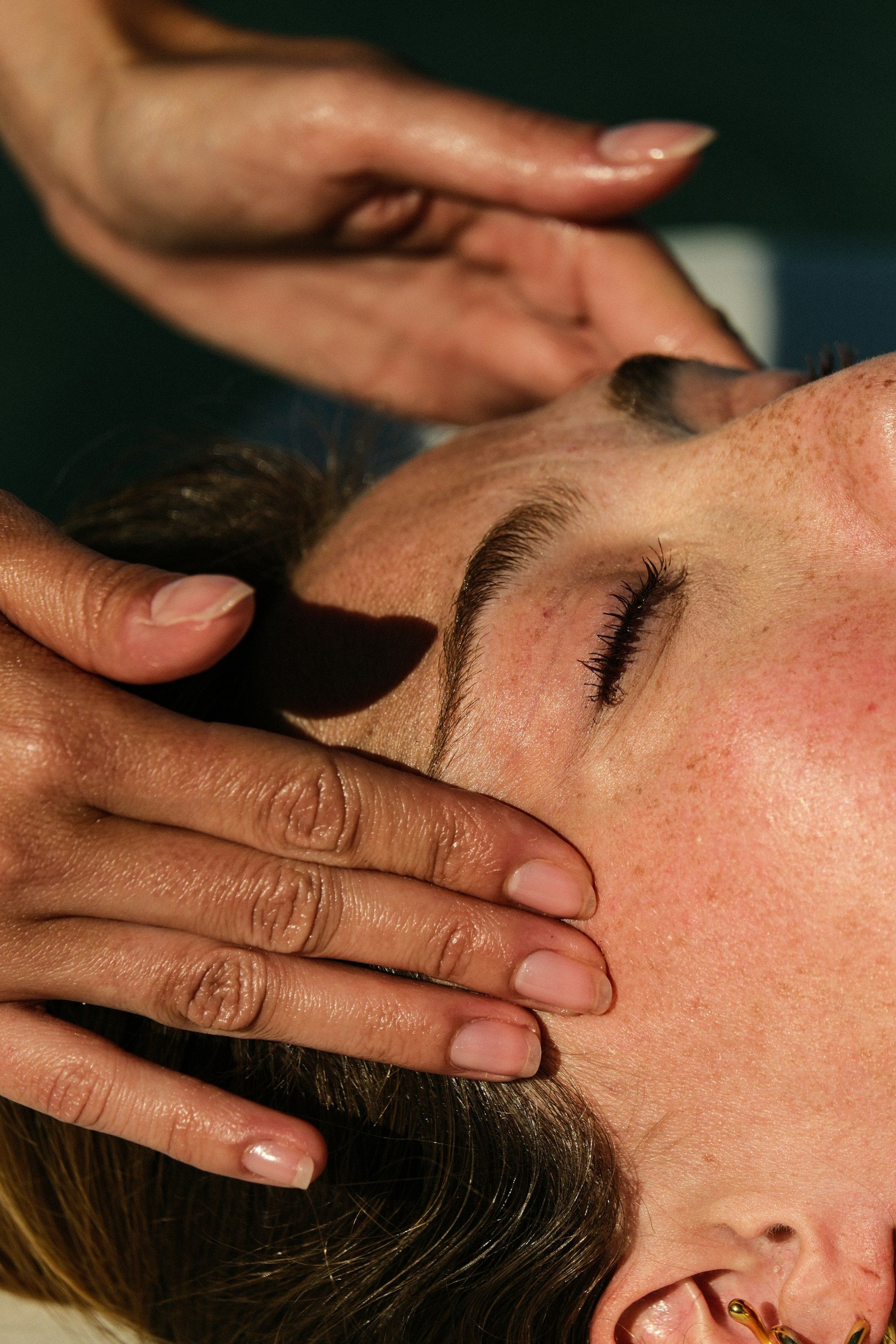
- Massage and trigger point therapy release the muscles that refer pain into the head. Many patients feel their familiar headache pattern when the right spot is found, then feel it fade as the muscle releases.
- Gentle adjustments or mobilization of the upper neck and upper back restore motion and reduce strain.
- Better habits such as screen height, regular breaks, hydration and simple stretches cut down on triggers.
What to expect
Dr. Beth will ask how often your headaches happen, where they start and what helps. She’ll screen for warning signs before treating. Keeping a simple headache diary for a couple of weeks can help.
When to see a medical doctor
Seek emergency care for the worst headache of your life, a sudden “thunderclap” headache, headache with fever and stiff neck, confusion, weakness, vision changes or trouble speaking, or a headache after a head injury.
This page is general education, not a diagnosis or a substitute for an exam. If your symptoms are severe, sudden or getting worse, see a medical doctor or call 911.