
Reviewed by Dr. Beth Anderson, DC
Updated November 20, 2026
The plantar fascia is a thick band of tissue along the bottom of your foot, from the heel to the toes. It supports your arch with every step. When it is overloaded, it becomes irritated where it attaches to the heel. That is plantar fasciitis, and it is one of the most common causes of heel pain.
Fallen arches (flat feet) often go hand in hand with it. When the arch collapses, the fascia and the muscles of the foot and calf strain to hold you up.
Common causes
- Tight calves and Achilles tendons, which pull on the heel
- Stiff ankle and foot joints
- Unsupportive shoes, or a sudden switch to flat shoes or bare feet
- Long hours standing on hard floors
- A jump in activity such as more walking, running or hiking on our foothill trails
How chiropractic and massage can help
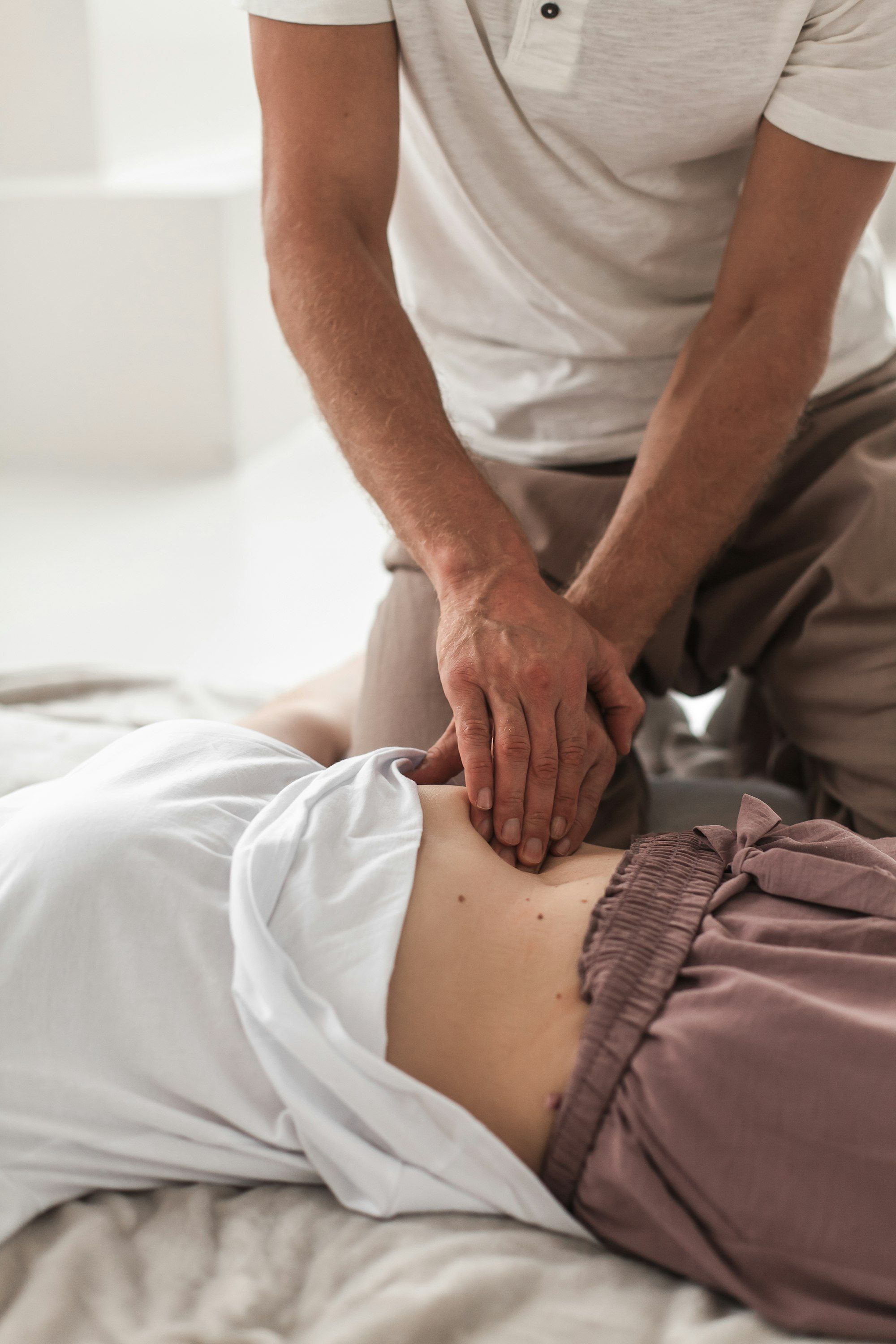
- Massage and myofascial release of the foot, calf and shin reduce tension on the fascia.
- Mobilization and gentle adjustments of the ankle, foot and big toe restore the motion your foot needs to absorb each step.
- Home care such as calf stretches, rolling the arch and foot-strengthening exercises keeps progress going between visits.
Because the foot connects to the knee, hip and back, Dr. Beth also checks how you stand and walk.
When to see a medical doctor
See a medical provider for heel pain after a fall or jump, swelling and bruising, inability to bear weight, or numbness and burning in the foot, especially if you have diabetes.
This page is general education, not a diagnosis or a substitute for an exam. If your symptoms are severe, sudden or getting worse, see a medical doctor or call 911.