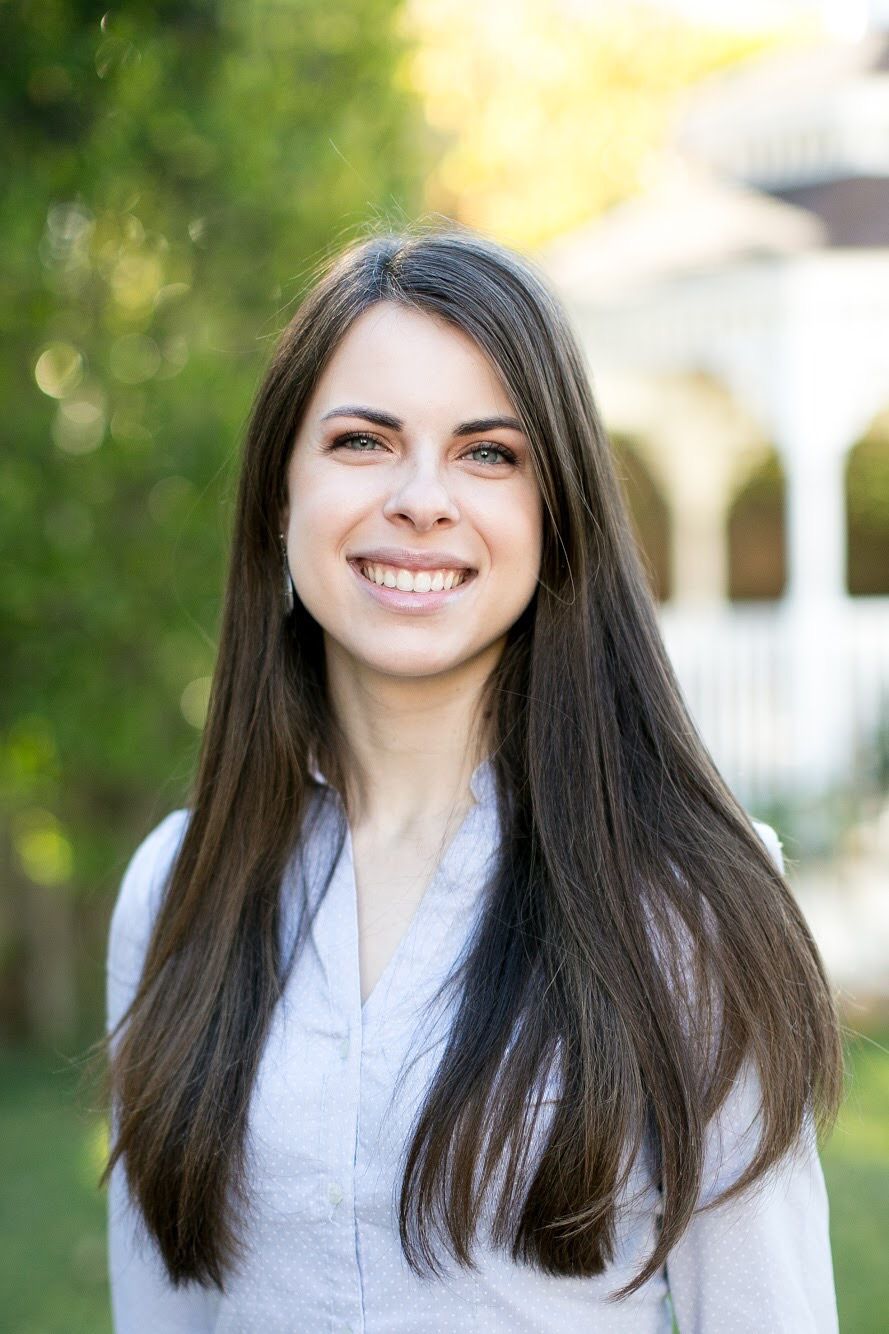
Reviewed by Dr. Beth Anderson, DC
Updated November 20, 2026
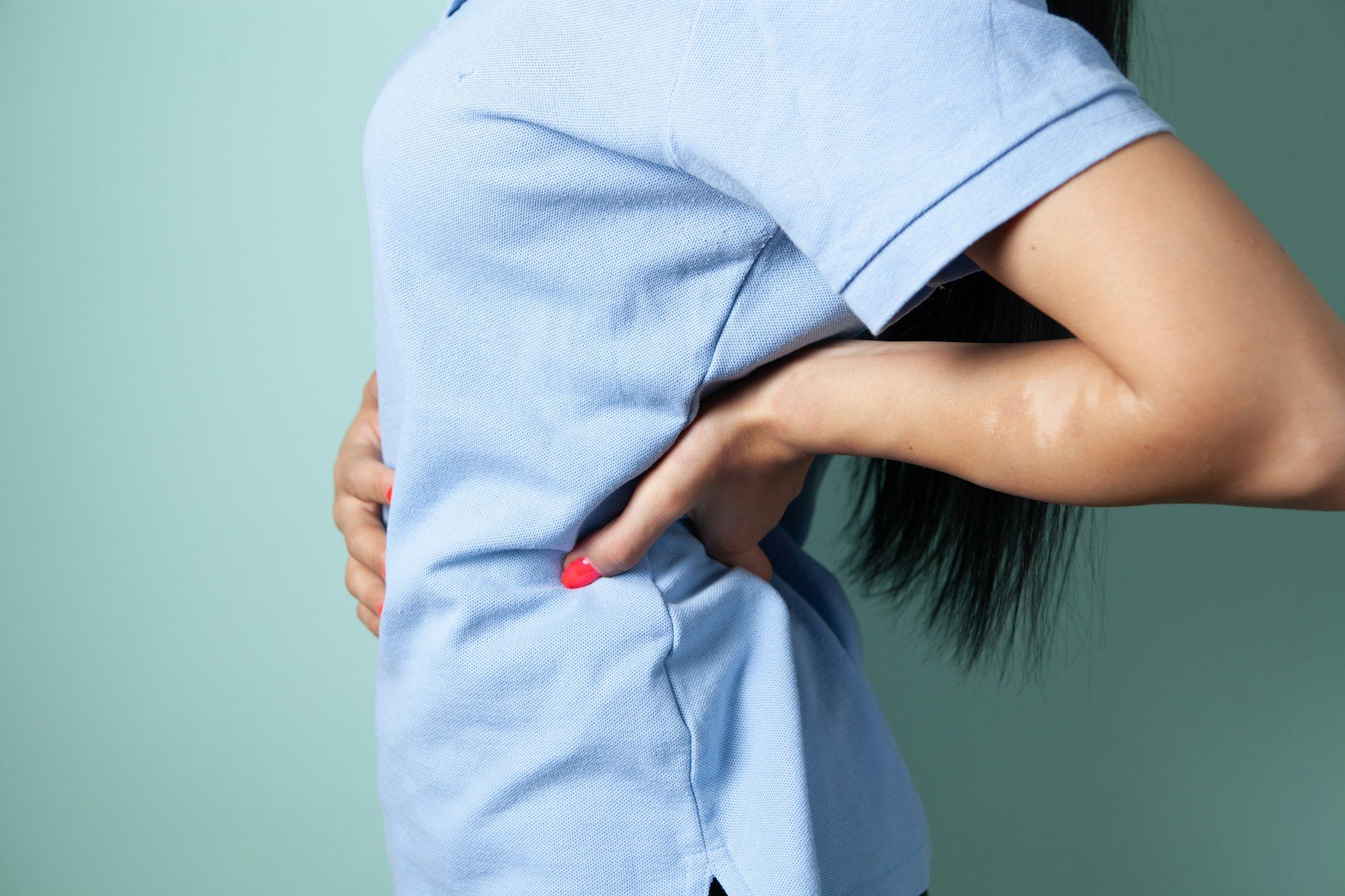
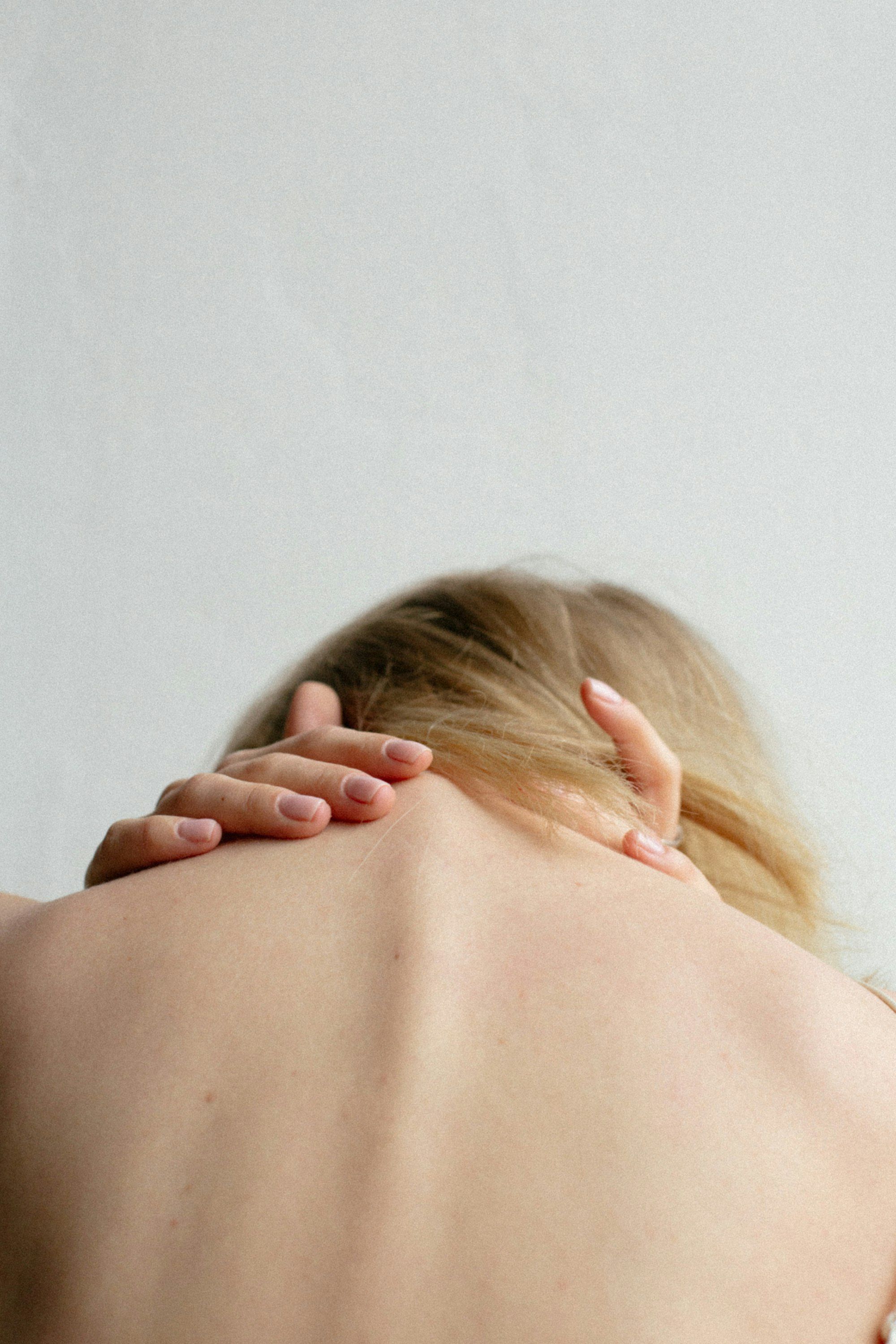
Scoliosis is a sideways curve of the spine, often with some rotation. Many people with scoliosis have no pain at all. Others live with one-sided muscle tightness, neck and shoulder strain, or a back that tires quickly, because the muscles on each side of the curve work differently.
Dr. Beth knows this one personally
Dr. Beth started chiropractic care when she was eleven, for neck pain caused by her own scoliosis. That experience is a big part of why she became a chiropractor and massage therapist. She understands what it feels like, and she knows how much gentle, consistent care can help. Read her story.
How chiropractic and massage can help
The goal isn’t to “fix” the curve. It’s to help your body carry it more comfortably.
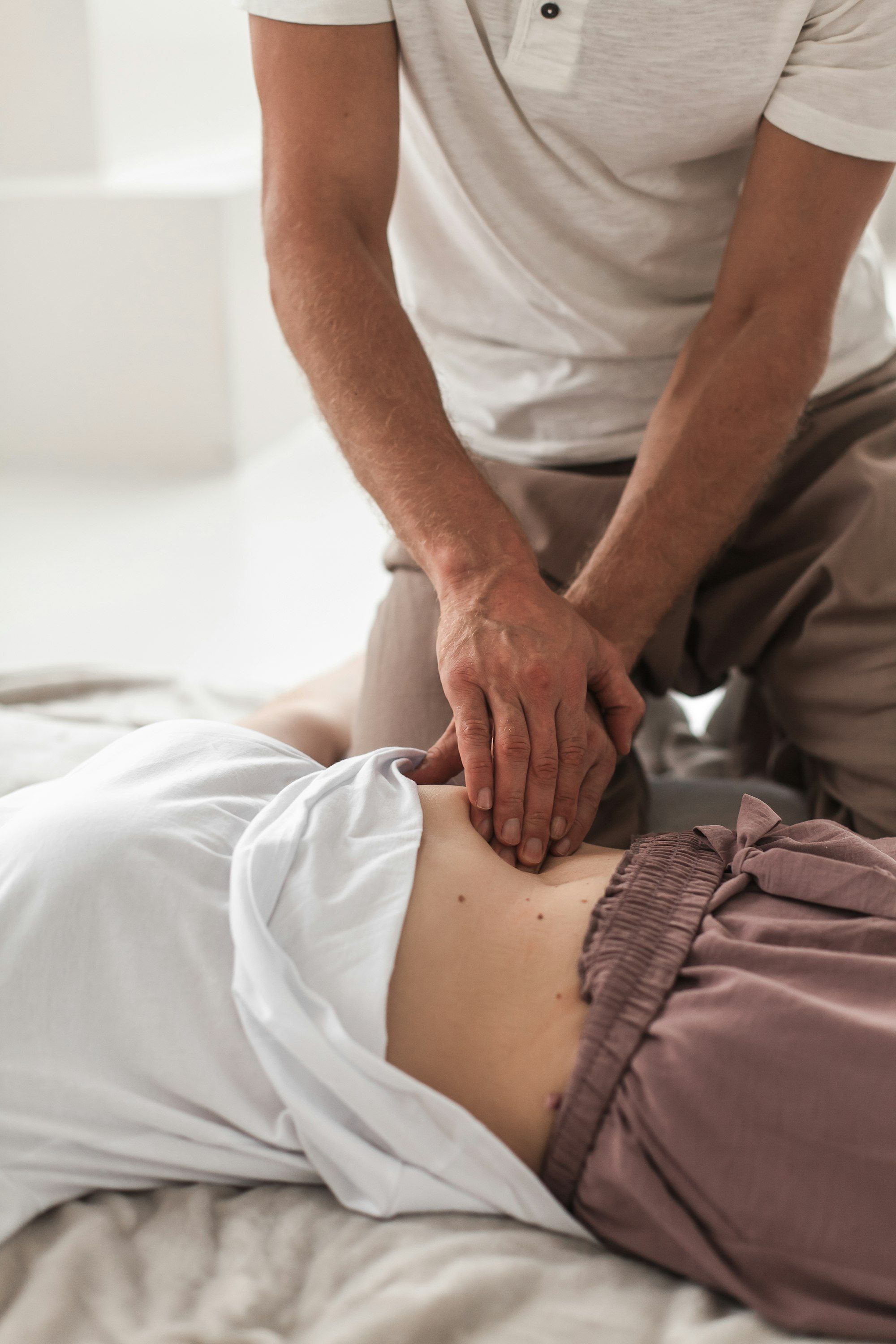
- Massage releases the muscles that work overtime on one side of the curve and the tight muscles on the other.
- Gentle adjustments and mobilization keep the joints of the spine and ribs moving well.
- Posture and exercise guidance helps build balanced strength and makes daily activities easier.
What to expect
Dr. Beth will ask about your scoliosis history, any bracing or imaging you’ve had, and what bothers you most. Care is always gentle and adapted to your spine.
When to see a medical doctor
Scoliosis that is progressing in a child or teen should be monitored by a pediatrician or specialist. See a medical provider for back pain with numbness, weakness, or changes in bladder or bowel control.
This page is general education, not a diagnosis or a substitute for an exam. If your symptoms are severe, sudden or getting worse, see a medical doctor or call 911.