
Reviewed by Dr. Beth Anderson, DC
Updated November 20, 2026
The piriformis is a small, deep muscle in the buttock that helps rotate the hip. The sciatic nerve passes right beside it, and in some people through it. When the piriformis is tight or in spasm, it can squeeze the nerve and cause pain that feels like sciatica.
Common causes
- Long hours of sitting, especially on a wallet or a hard seat
- Running, cycling and hiking without enough hip mobility
- Weak glutes, which make the piriformis work overtime
- Stiffness in the low back, SI joint or hip. See SI joint dysfunction.
- A fall onto the buttock
How chiropractic and massage can help
This is where Dr. Beth’s dual training shines:
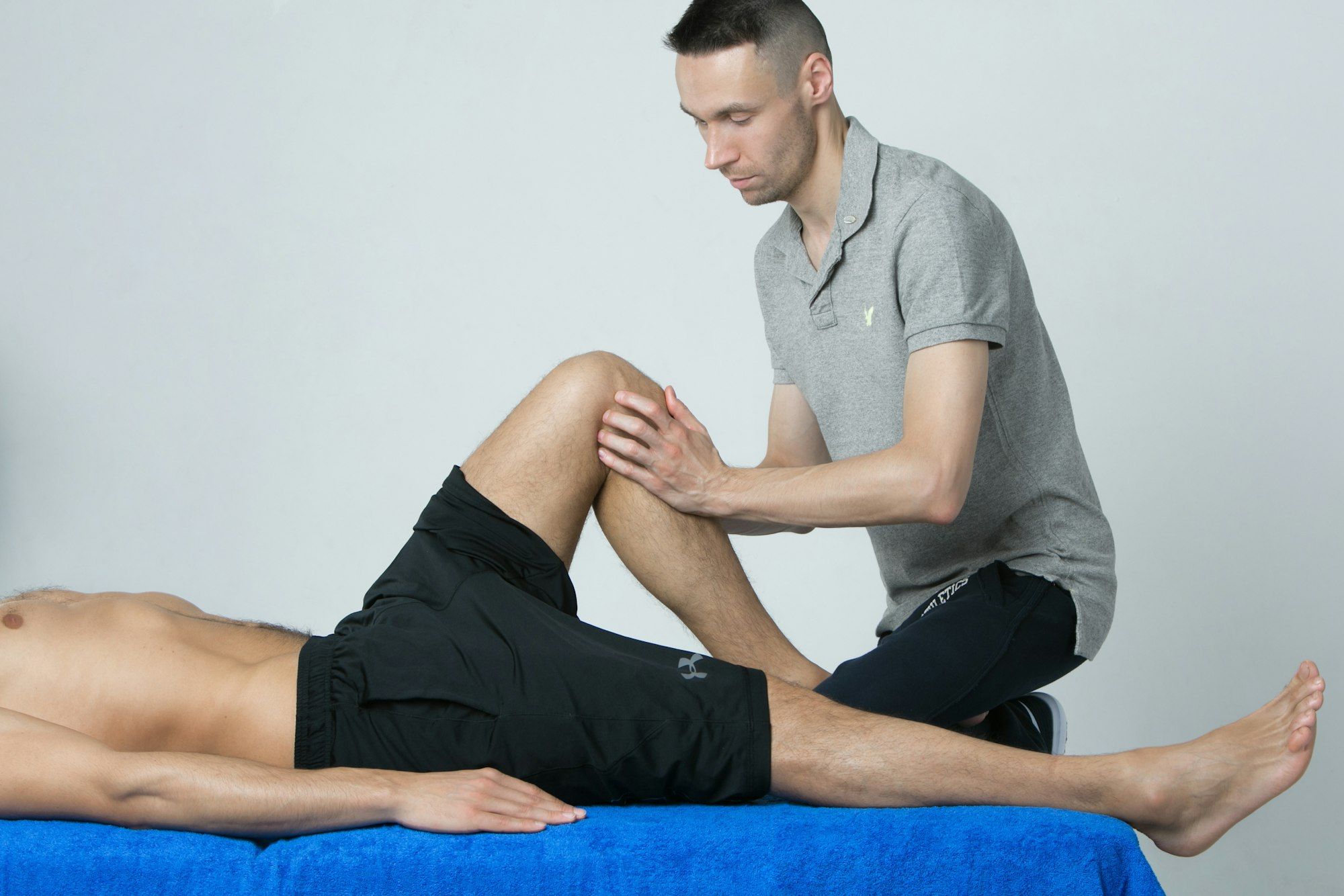
- Deep, targeted massage and trigger point work release the piriformis and surrounding hip rotators.
- Adjustments to the low back, pelvis and hip restore the motion that keeps the muscle from overworking.
- Stretching and strengthening help the relief last: a gentle piriformis stretch plus glute work.
Our massage + adjustment session is built for problems like this.
What to expect
Dr. Beth will test your hip and low back to work out whether the nerve is irritated at the spine or in the buttock. That decides the treatment plan.
When to see a medical doctor
Seek medical care for buttock or leg pain with loss of bladder or bowel control, numbness in the groin, worsening leg weakness, or fever.
This page is general education, not a diagnosis or a substitute for an exam. If your symptoms are severe, sudden or getting worse, see a medical doctor or call 911.