
Reviewed by Dr. Beth Anderson, DC
Updated November 20, 2026
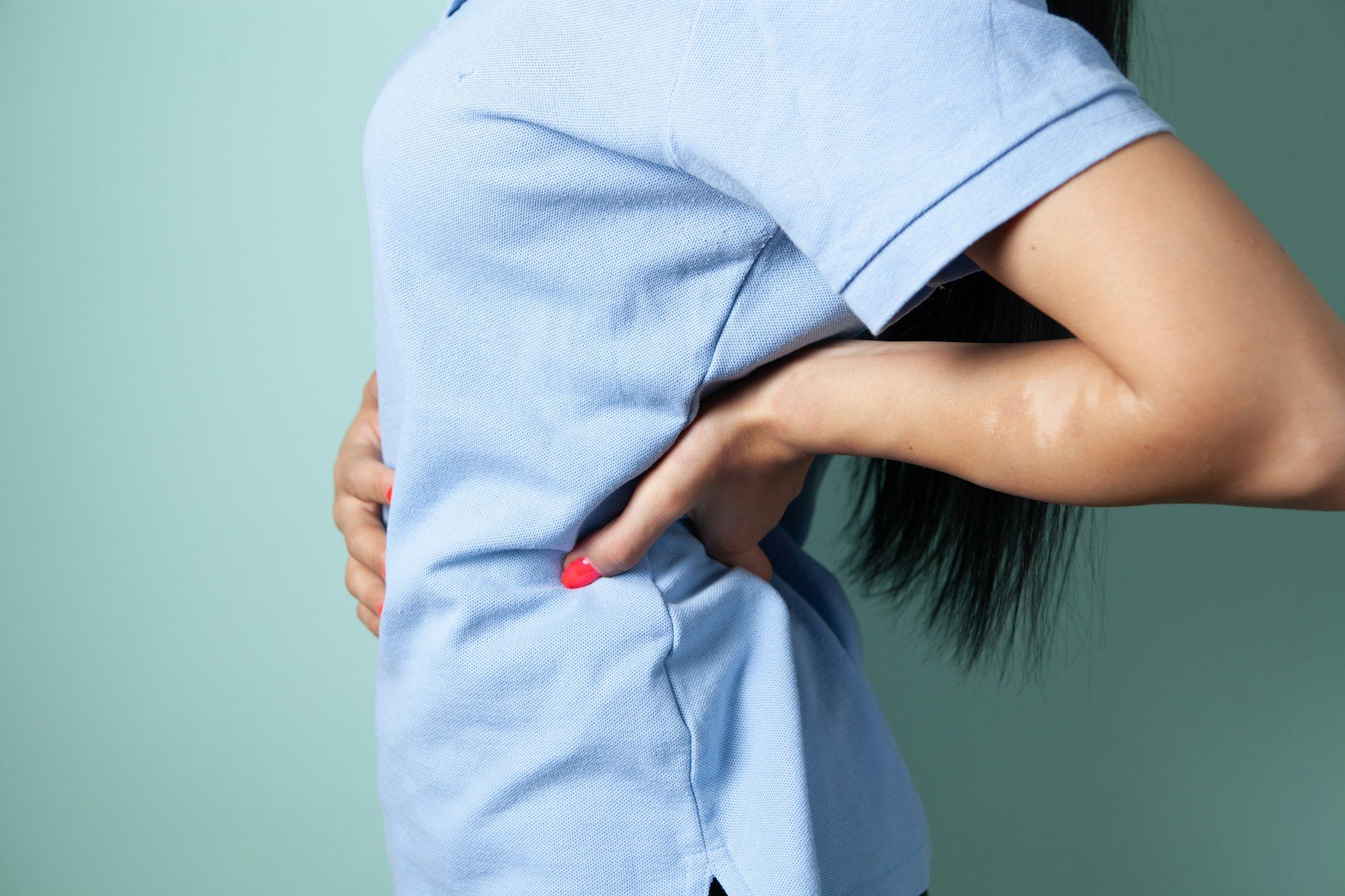
Your two sacroiliac (SI) joints connect the base of the spine to the pelvis. They don’t move much, but they move enough to absorb shock when you walk. When one becomes stiff or irritated, it can produce surprisingly strong pain in the low back, buttock and hip.
Common causes
- A fall onto the buttocks, or a misstep off a curb
- Uneven loading: always standing on one leg, carrying a child on one hip, or a leg-length difference
- Pregnancy and childbirth, which loosen the pelvic ligaments
- Tight hip and glute muscles, including the piriformis. See piriformis syndrome.
- Prolonged sitting and weak core and glute muscles
How chiropractic and massage can help
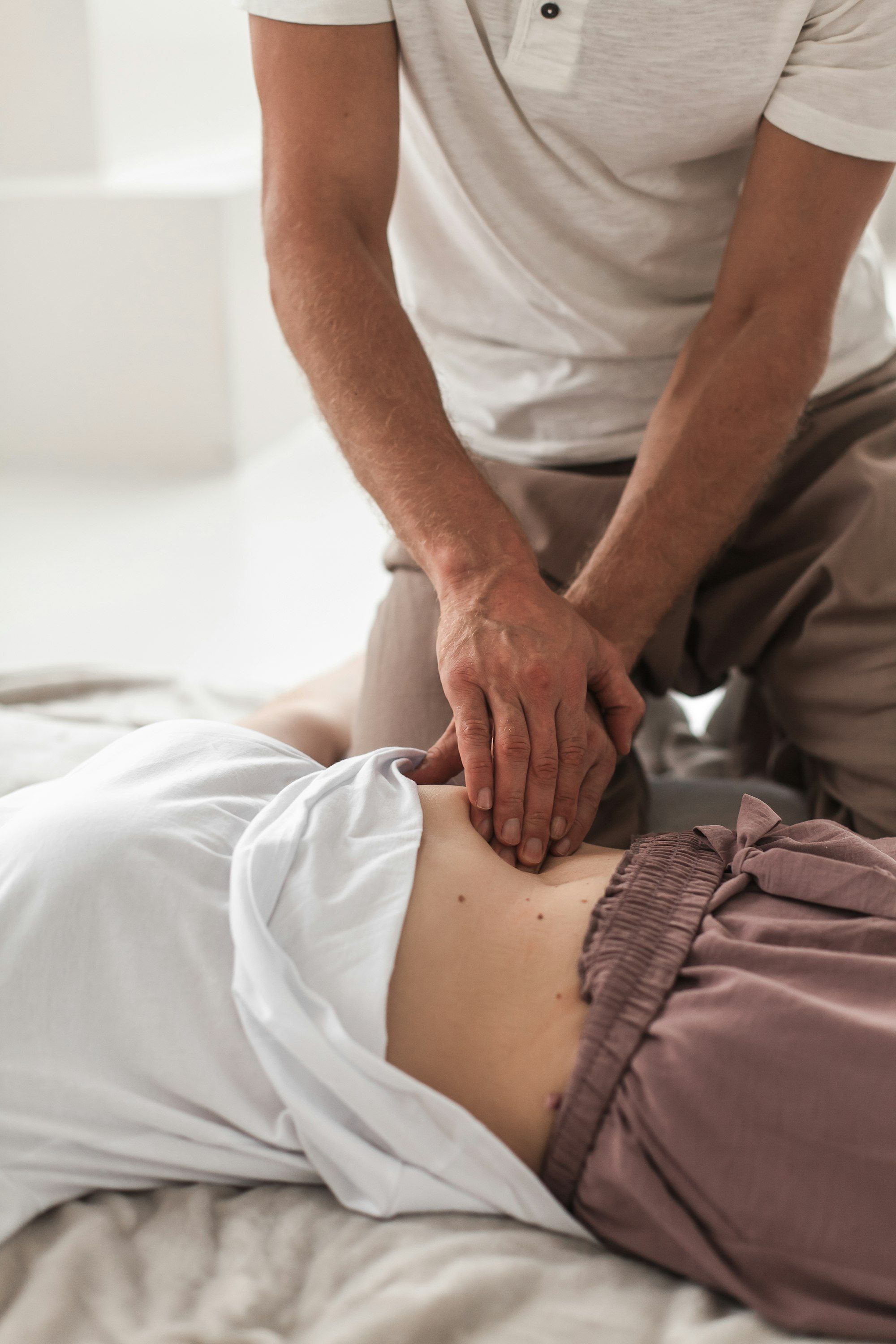
- Gentle pelvic adjustments and mobilization restore normal motion to the SI joint.
- Massage of the glutes, piriformis, hip flexors and low back reduces the muscle tension that pulls the pelvis out of balance.
- Stabilizing exercises for the glutes and core help the joint stay comfortable.
SI joint pain is often mistaken for sciatica or low back pain. Getting the source right is what makes treatment work.
When to see a medical doctor
See a medical provider for pelvic or low back pain with fever, unexplained weight loss, numbness in the groin, or loss of bladder or bowel control, or after significant trauma.
This page is general education, not a diagnosis or a substitute for an exam. If your symptoms are severe, sudden or getting worse, see a medical doctor or call 911.